



“To write what is worth publishing, to find honest people to publish it, and get sensible people to read it, are the three great difficulties in being an author.”
Charles Caleb Colton
If you have completed your manuscript, the next question is clear:
How do I publish a book in India?
Today, authors in India have multiple publishing options. Understanding the process before making a decision will save you time, money, and frustration.
This guide explains the practical steps involved.
Step 1: Choose the Right Publishing Route
There are two primary ways to publish a book in India.
1. Traditional Publishing
In traditional publishing:
- You submit your manuscript to a publishing house.
- The publisher decides whether to accept it.
- If selected, they handle editing, printing, and distribution.
- You receive royalties (sometimes an advance).
However, acceptance rates are low, and the process can take months — sometimes longer.
Before approaching publishers, understand the complete process of traditionally publishing your book in India, including submission requirements and timelines.
2. Self-Publishing in India
In self-publishing:
- You retain full rights and creative control.
- You invest in professional services such as editing and design.
- The publishing timeline is significantly faster.
- Royalty margins per copy are generally higher.
Many new authors today choose this route to avoid long waiting periods and maintain ownership.
If you want a detailed explanation of how it works, read our complete guide to self-publishing in India.
To understand the practical difference between both models, review this comparison of traditional vs self-publishing.
3. eBook and Audiobook Publishing
In addition to print, you can publish digitally.
eBooks can be distributed through platforms such as Kindle and Google Play. Audiobooks are also gaining popularity among Indian readers.
If you are considering digital formats, here is a detailed guide on how to publish an eBook.
Step 2: Prepare Your Manuscript Professionally
Before publishing, your manuscript must be reader-ready. This step is often underestimated by first-time authors.
Editing Is Essential
Professional editing improves:
- Structure and flow
- Clarity of ideas
- Language quality
- Overall readability
Different types of editing serve different purposes. You can understand them in detail here: types of book editing explained.
It is also useful to review common writing mistakes before final submission. This guide on how to write a novel readers love highlights frequent issues authors overlook.
Step 3: Write a Clear Synopsis (For Traditional Publishing)
If you plan to submit to traditional publishers:
- Keep your synopsis under one page.
- Clearly present the story arc or main idea.
- Follow submission guidelines carefully.
A concise and structured synopsis improves your chances of being considered.
Step 4: Obtain an ISBN
An ISBN (International Standard Book Number) is necessary for book distribution and listing.
- In self-publishing, you must apply for it.
- In traditional publishing, the publisher usually assigns it.
Here is a detailed explanation of ISBN and copyright requirements in India.
Step 5: Understand the Cost of Publishing a Book in India
The cost of publishing depends on:
- Editing
- Cover design
- Formatting
- Printing
- Distribution
If you are budgeting your project, review this breakdown of self-publishing costs in India to understand realistic expectations.
Step 6: Be Prepared for Delays or Rejections
If you choose traditional publishing, rejections are part of the process. Even strong manuscripts may face multiple rejections before acceptance.
For authors who prefer a predictable timeline and greater control, self-publishing often becomes a practical alternative.
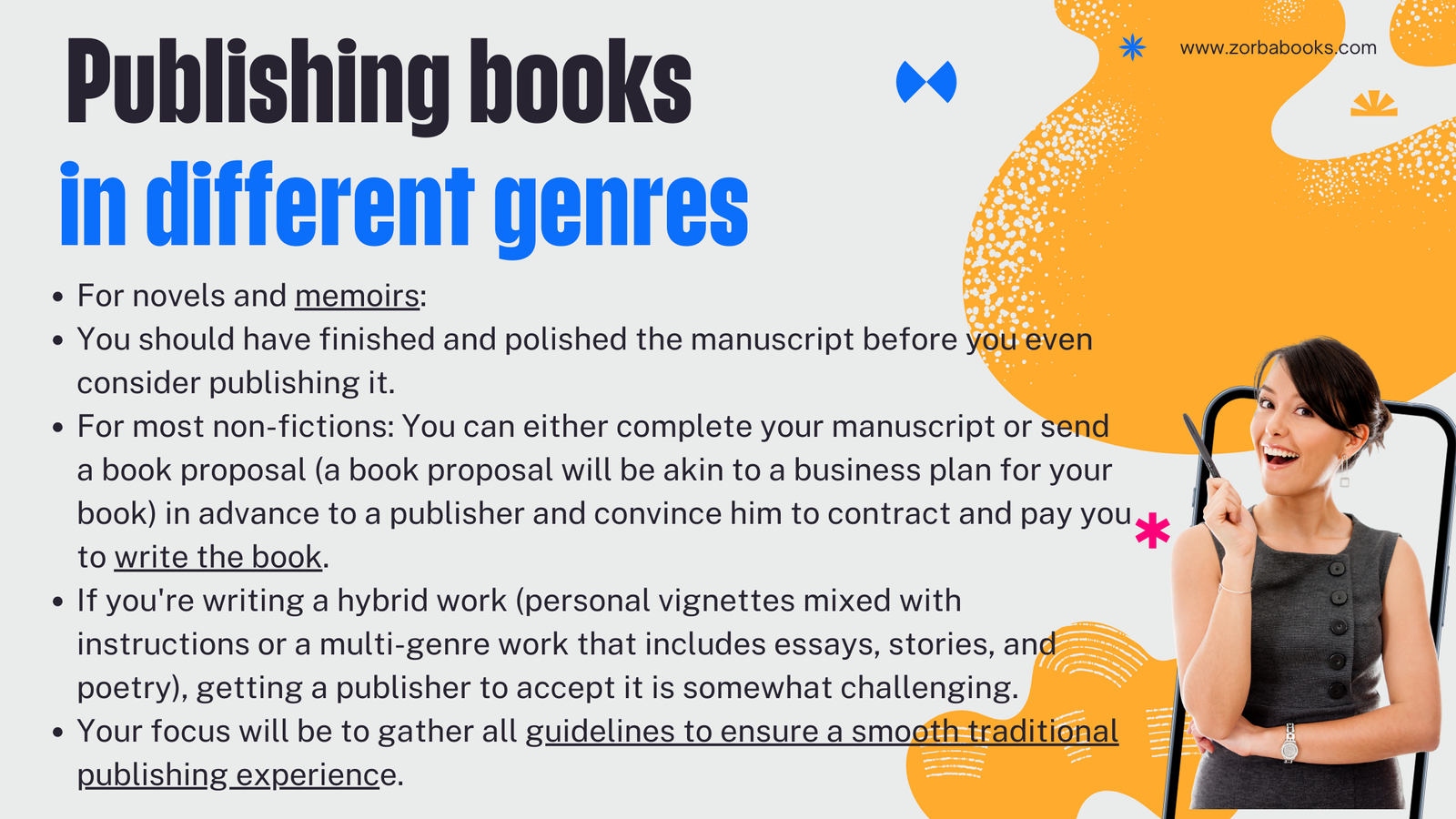
Here are some guidelines for

Final Thoughts
Publishing a book in India is no longer limited to one route. Authors today can choose the model that aligns with their goals, timeline, and budget.
If you would like clarity on your publishing options, timelines, or estimated costs, you can reach out through our book publishing consultation page.
You may also review common author concerns in our book publishing FAQs before making a decision.
Author KN Pandey recounts his experience with numerous publishing houses.
