

Like every century that promises to be unique, the 21st century can safely trademark its obsession with lofty aspirations and swift achievement. Quick publishing success and recognition have become essential parameters for analysing the level of satisfaction an author achieves in publishing a book.
It then becomes logical that to achieve our goal, we must arm ourselves with all the skills and information that will help us accomplish our aim in the shortest time possible to write a book that sells.
Writing a book that sells has always been dependent on its connection with the masses. With time what connects with the masses may change and this will colour the success we are likely to achieve from our book.
Key points to keep in mind if one wishes to pen a book, worth our time and effort.
1. Know What You Want to Express
“The worst thing you write is better than the best thing you didn’t write.”
A writer, before he sets out to write a book, must be clear as to the genre of the book. Every genre requires a distinct way of presentation:
● Autobiographical books demand utmost attention to facts, making it necessary to cross-check each detail.
● Fiction allows creative liberty with facts as long as they sound plausible.
● The text should be lucid, gripping and follow chronology.
Other genres have unique requirements, too. Hence, an author must decide the genre and lay out a brief outline of the story he wishes to narrate.
Writing a Book that Sells Example:
Consider the bestselling author Amish Tripathi, who redefined mythological fiction with the Shiva Trilogy. He blended Indian mythology with engaging storytelling in a modern format that resonated with urban readers. His success underscores the power of clarity in genre selection and execution.
2. Evolve Your Story Through Each Page
“Don’t be a writer, be writing.”
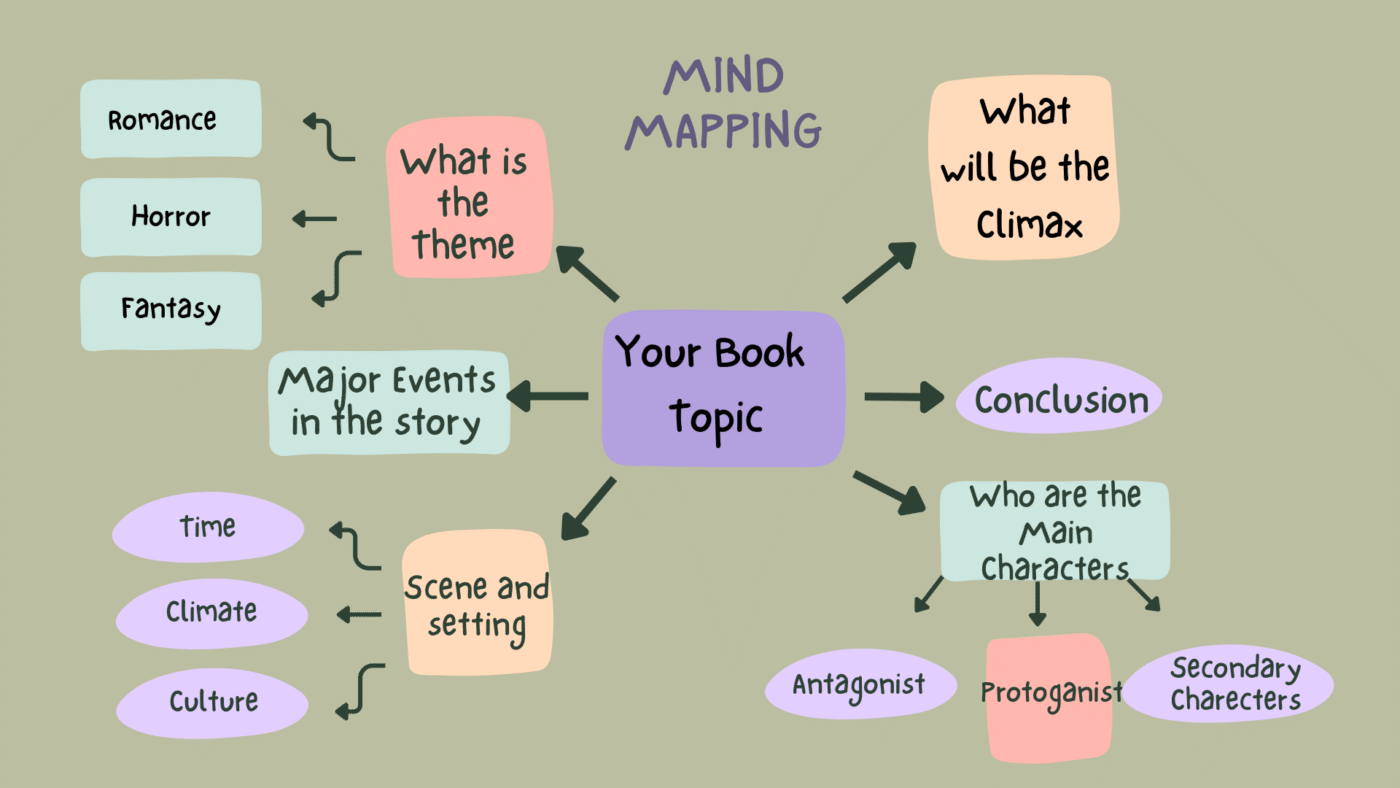
Once you have a brief outline, research the topic if needed and draw a mind map.
The story should reveal itself in layers, much like peeling an onion:
● Each layer = part of your story
● Reveal slowly so the reader stays hooked
● Don’t reveal all fascinating facts at once
● Add information as part of the larger plot
To accomplish daily writing goals, keep several points in mind as the story moves ahead.
3. Write Till You Shine
“Every first draft is perfect because all it has to do is to exist.”
The old adage–“practice makes one perfect.”
Your first draft may not reflect what you aimed for, but it shows areas for improvement.
● Keep writing until you achieve your goal
● Attend writing workshops
● Read books in your genre
● Build credentials through short stories
● Gradually move to a short novel and then a full-fledged series
4. Explore New Dimensions
“If you really want to know yourself, start with writing a book.”
While popular storylines matter, adding new elements helps you get noticed:
● Give the masses something new to talk about
● Fresh plot touches
● New or lesser-known concepts
● Avoid conventional twists
Example: Chetan Bhagat began with college romance fiction and later experimented with adding Hindi to an English book.
5. Utilize the Digital Platform
A digital platform is now a must for any author. Every successful modern author is active
digitally:
● Facebook
● Twitter
● Instagram
● LinkedIn
● YouTube book teasers
Authors like Chetan Bhagat, Amish Tripathi, Novoneel Chakraborty, to reach their audience and build an author brand.
6. Learn the Hacks
“Whatever the mind of a man can conceive and believe, it can achieve.”
The publishing industry is tricky, so keeping a few hacks helps:
● Know what publishing involves
● Understand publishing options
● Research publishers and their ethics
● Gather facts, contacts, and outreach methods
Don’t underestimate your experience, and try not to feel overwhelmed by the publishing process.
Types of Publishing Options
| Mode | Description | Good For |
|---|---|---|
| Traditional | Publisher handles editing, design, distribution | Established writers or unique stories |
| Independent | Partner publishers who offer partial support | Emerging writers wanting editorial help |
| Self-publishing | Author pays and controls all aspects | Authors who want full creative control |
7. Get Involved in the Promotion
“If you really want to know yourself, start by writing a book.”
Your participation in promoting your book is essential:
● You know your book best
● Self-promotion builds your author brand
● Use podcasts, social media, press releases, paid ads
● Ask recognised authors for reviews and ratings
● Convert media engagements into branding opportunities
Example: Devdutt Pattanaik — his name is as well-known as his books.
8. Create a Book Network
“All good writing is swimming underwater and holding your breath.”
Publishing is the first step toward benefits—monetary, exposure, opportunities, speaking engagements.
Ways to attract crowd attention:
● Offer discounts
● Gift vouchers
● Small stationery items
The writing industry offers many opportunities to network with fellow authors and carve a space
for yourself.
Conclusion
The key to surviving and leaving an imprint is to stick to what you know yet be flexible enough to
understand that knowledge can only seep through a flexible mind.
Start writing today, share your journey, and tag fellow authors who may need this guidance. Let’s build a writing community together!
If you found these insights valuable, please share this blog post with your network on social media and help more aspiring writers realise their dream.