
Self-publishing is a publishing model in which the author retains full control over the entire publishing process. This includes creative decisions, timelines, budgets, formats (print and eBook), and distribution. Self-publishing applies to all genres—fiction, non-fiction, poetry, academic, and technical books.
One of the most common and important questions authors ask is:
“How much does it cost to self-publish a book?”
There is no single, fixed answer. The cost of self-publishing varies because authors choose different levels of professional support. However, there are clear principles and guidelines that help estimate the cost accurately.
What Determines the Cost of Self-Publishing a Book?
The cost of self-publishing primarily depends on three factors:
1. Services Chosen by the Author
In self-publishing, authors decide which services they want to handle themselves and which services they want to outsource to professionals. The more services you outsource, the higher the cost—but also the higher the professional quality.
2. Level of Professional Expertise
The cost varies significantly based on the skill and experience of the professionals hired.
For example:
- Editing by a beginner editor will cost less than editing by an editor who has worked with established publishing houses.
- A simple cover design costs far less than a custom illustration-based cover created by an experienced designer.
3. Complexity and Time Required
The difficulty of the task and the time involved directly affect pricing.
- A straightforward text-based book costs less to format than a heavily illustrated or technical book.
- Simple designs and layouts require less time than intricate, customised work.
Indicative Cost Structure for Self-Publishing Services in India
| Self-Publishing Service | What It Covers | Cost Impact Factors | Indicative Cost Level |
| Manuscript Editing | Language editing, grammar, structure, consistency | Editor’s experience, word count, depth of editing | Low: Basic proofreading Medium: Copyediting High: Developmental editing |
| Cover Design | Front cover design, typography, spine (print) | Custom illustration, designer expertise, number of revisions | Low: Template-based High: Custom illustrated cover |
| Interior Formatting | Page layout, margins, fonts, chapter styling | Book length, images, tables, technical complexity | Low: Text-only books High: Technical/illustrated book |
| ISBN & Metadata | ISBN allocation, book details, classification | Number of formats, distribution scope | Usually bundled or low-cost |
| Printing | Physical book production | Page count, paper quality, binding, print quantity | Varies widely based on specifications |
| eBook Creation | ePub/Kindle formatting and testing | Layout complexity, images, hyperlinks | Low to medium depending on design |
| Distribution | Online and offline availability | Platforms covered, geographic reach | Often included or commission-based |
| Sales Tracking | Sales reports and royalty tracking | Reporting frequency, dashboard access | Generally Included |
| Marketing Support | Listings, promotions, basic campaigns | Campaign depth, duration, channels | Optional; ranges from basic to advanced |
Typical Self-Publishing Services
Most self-publishing projects include some or all of the following services:
- Manuscript editing
- Cover design and illustration
- Formatting and interior layout
- Printing (fiction, non-fiction, or technical books)
- Distribution and supply management
- eBook creation and distribution
- Book sales tracking
- Marketing and promotional support
Each service can be delivered at different levels of quality and complexity, which directly impacts cost and final output.
Two Key Factors That Affect Cost and Quality
Across all self-publishing services, two factors determine both cost and outcome quality:
- The complexity of the task
- The level of skill of the professional involved
Higher complexity and higher expertise lead to higher costs—but also better results.
How Authors Should Approach Cost Decisions
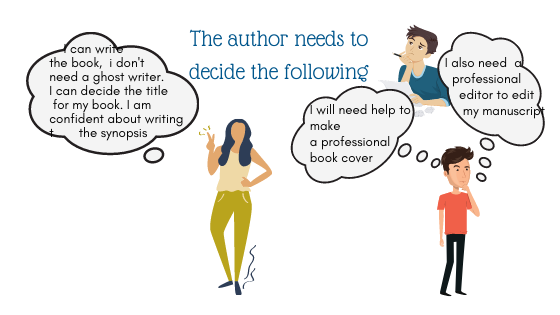
Before approaching a self-publishing company, the author should decide:
- Which tasks they have the ability and willingness to handle on their own
- Which tasks they prefer to delegate to professionals
This is the most critical decision in the self-publishing journey.
Once this is clear, the next step is cost comparison.
Comparing Self-Publishing Costs
Authors can estimate self-publishing costs in two ways:
Option 1:
List the services you require professional help with and request cost estimates from self-publishing companies.
Option 2:
Review published self-publishing packages and pricing structures. Most companies clearly mention the scope and limitations of their costs.
While prices can often be compared, quality cannot always be judged by cost alone. Different companies deliver different standards of editing, design, printing, and support.
Choosing the Right Self-Publishing Partner
The final step is selecting a self-publishing company that is most likely to deliver what it promises.
A reliable company typically:
- Under-promises and over-delivers
- Maintains transparency in processes and timelines
- Complies fully with agreed terms
One effective way to assess quality is to:
- Review feedback from authors who have published with the company
- Examine published books to judge editing, design, and print quality
Final Step: Begin Your Self-Publishing Journey
Once you have evaluated costs, services, and credibility, go ahead and book the self-publishing services that best align with your goals.
You are now ready to step into the world of self-published authorship. Stay alert to opportunities, be proactive in marketing, and make the most of every platform available.